Kids Room Safety Standards & Guidelines
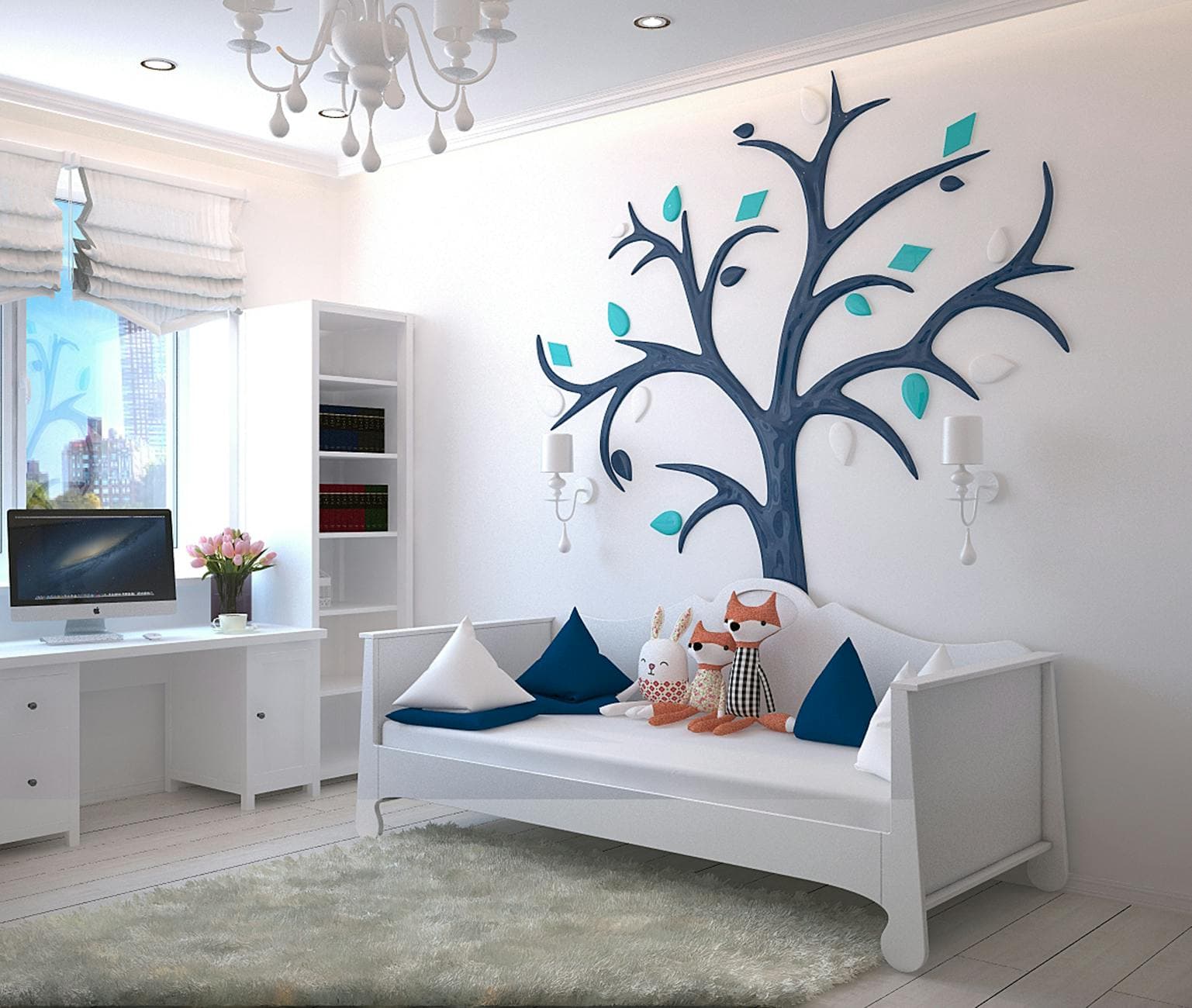
Safe, open play areas with smart storage solutions keep rooms tidy and elegant.
In the world of contemporary interior design and decorations, Al-Osailan Company strives to provide innovative solutions that combine beauty and effectiveness. Through our extensive experience in the Saudi market, we deliver designs that respect cultural traditions and modern trends, with a focus on quality and sustainability in every project. Al-Osailan Decorations and Contracting Company aims to transform your spaces into exceptional environments that reflect your unique taste. We believe that every space deserves to be a true reflection of its owners' personality, and we work to achieve this through modern designs that combine comfort, elegance, and practical functionality.
A child's room is more than just a place to sleep - it's their own world where they play, learn, grow, and dream. Designing a safe and functional children's room requires special attention to details and awareness of potential hazards. In this comprehensive guide, we review the most important safety standards and best practices for designing a children's room that combines protection and fun.
Safety First: Basic Standards
1. Securing Furniture: The most important safety step is to secure all heavy furniture pieces (cabinets, drawers, shelves) to the wall using strong fasteners. Children love to climb, and furniture tipping can cause serious injuries.
2. Rounded Corners: Choose furniture with rounded and smooth corners, or place rubber corner guards on all sharp edges of tables, beds, and cabinets.
3. Electrical Outlets: Cover all outlets with child safety covers. Better to use outlets with automatic sliding covers.
4. Windows: Install safety bars or protective nets on all windows. Make sure furniture is not placed directly under windows to prevent the child from climbing. Use curtains without hanging cords or use very short cords away from the child's reach.
5. Doors and Drawers: Use safety locks for drawers and cabinets containing dangerous or small items that could be swallowed by the child.
6. Paints and Materials: Use paints free from harmful chemicals (VOC-free) and natural, non-flammable fabrics. Make sure all toys and furniture comply with safety standards.
7. Lighting: Use LED lights that don't heat up. Make sure all electrical wires are hidden or protected. Avoid floor lamps that can fall easily.
8. Carpets and Flooring: Use carpet secured well with double-sided tape to prevent slipping. Choose non-slip flooring, especially in the play area.
Dividing Space Safely
Divide the room into clear and organized areas:
Sleeping Area: Away from windows and doors. The bed should be low for young children or surrounded by safety barriers for infants. Avoid large pillows or heavy blankets for infants to reduce suffocation risk.
Play Area: Open space on the floor with a soft, thick carpet to protect the child from falls. Away from furniture with sharp corners.
Study Area: (for older children) Desk and chair at appropriate height with good lighting. Make sure the chair is stable and prevents tipping.
Storage Area: Low cabinets and drawers that the child can safely reach. High shelves for items the child shouldn't access.
Choosing Safe Furniture
Bed:
- For infants: Crib with close bars (not more than 6 cm) to prevent head entrapment.
- For toddlers: Low bed or floor bed (Montessori bed) easy for them to get down safely.
- For older children: Bed with removable side guards.
- Bunk bed: Only for children over 6 years, with strong safety guards and safe, well-secured ladder.
Cabinets and Drawers:
- Secured firmly to the wall.
- Drawers with soft-close mechanism to prevent finger pinching.
- Easy and safe handles for the child.
Tables and Chairs:
- Stable and not easily tipped.
- With rounded corners.
- At appropriate height for child's age.
Safe and Smart Storage Solutions
Smart storage is not only for room organization, but also for safety:
- Storage boxes: With light lids or without lids to avoid finger pinching or suffocation. Soft boxes made of fabric or soft plastic.
- Low shelves: Easy for the child to safely reach and organize their toys themselves.
- Hanging baskets and nets: For large toys, firmly secured to the wall.
- Drawers with soft-close mechanism: To prevent small fingers from pinching.
- Cabinets with safety locks: For dangerous materials like medicines, cleaning products, or small swallowable items.
Safe Toys
- Choose toys appropriate for the child's age and compliant with safety standards.
- Avoid toys with small swallowable parts for children under 3 years.
- Regularly check toys to ensure their safety and no broken parts.
- Keep small toys in closed boxes away from young children.
Safe Lighting
- Ambient lighting: Evenly distributed and sufficient for clear vision.
- Night lighting: Dim and quiet, wall-mounted or recessed, not on the floor where it can be an obstacle.
- LED lights: Don't heat up and are safe to touch.
- Hidden wires: All electrical wires must be hidden or protected.
Cleanliness and Ventilation
- Good ventilation: Windows that open safely to renew air. Avoid moisture and mold.
- Regular cleaning: Clean the room regularly to maintain a healthy environment. Use natural and non-toxic cleaning products.
- Washing fabrics: Wash curtains, sheets, and carpet regularly to reduce dust and allergens.
Monitoring and Supervision
- No matter how safe the room is, parental supervision is necessary, especially for young children.
- A baby monitor can be used for infants and toddlers.
- Teach your child basic safety rules in an age-appropriate manner.
Safety Checklist
Before allowing your child to use the room, check the following points:
☑ All heavy furniture secured to the wall
☑ All sharp corners protected
☑ Electrical outlets covered
☑ Windows safe and protected
☑ Curtains without hanging cords
☑ Drawers and cabinets with soft-close or safety locks
☑ Lighting safe and wires hidden
☑ Flooring non-slip and carpet secured
☑ Toys appropriate for age and safe
☑ Paints and fabrics free from harmful substances
☑ No small swallowable items within reach
Conclusion
Designing a safe children's room requires careful thought and attention to detail, but it's an investment in your child's health and safety. By following basic safety standards, choosing safe and appropriate furniture, and providing a clean and organized environment, you can create a space where your child plays, learns, and grows safely and with peace of mind.
Additional Helpful Tips
This article is part of our comprehensive series on interior design and decorations. Through these articles, we aim to provide valuable and practical information to help you make informed decisions for your upcoming projects.
If you're looking for more ideas and inspiration, we recommend visiting our portfolio or contacting our specialized team for a free consultation about your project.
Additional Important Information
At Al-Osailan, we believe that every decoration project is an opportunity to transform an ordinary space into an exceptional environment that reflects its owners' personality. Our extensive experience in interior design and decorations enables us to provide innovative solutions that meet your diverse needs.
We use the latest technologies in 3D design and the best natural and sustainable materials to ensure high quality and outstanding results. Our team of professional engineers and designers works with you step by step to achieve your vision.
From initial design to final implementation, we ensure a smooth and comfortable experience with continuous follow-up and quality assurance. Contact us today to start your journey of transforming your home into a work of art.
Did you like this article? Let's turn your ideas into reality
Contact us today to start your decoration project
Contact UsBrowse More Articles
Explore more articles and tips in the world of interior design